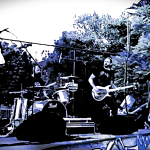
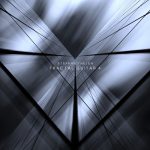
(Photo by White Noise)
Based in Malta, Eyes to Argus go by the genre of experimental post-rock (nothing else seems to fit). ‘Microcosm’ is the band’s latest single and their first production-level music video. The song is inspired by themes of megalomania and cult-like behaviour – which is somewhat atypical for the band. In line with that, ‘Microcosm’ is one of the most charged and grittiest songs in the band’s catalogue.
The single is intended to be an interim release between the band’s debut album VEER (2017), and their second album, which they’ll be recording later this year (with a projected release in 2020). That album will be an interpersonal exploration of their relationships with the people around them and the spaces they inhabit.
We asked the band to choose three albums that influenced their music. The band stated that they are influenced by countless artists, across widely different genres (post-rock, ambient, shoegaze, contemporary jazz, hip-hop, metal, to name a few) – and no influence is off the table when it comes to songwriting. The following albums, though, are a bit more special. They’re a selection of works that have had a fundamental effect on how and why Eyes to Argus write music the way they do.
Tortoise – Millions Now Living Will Never Die
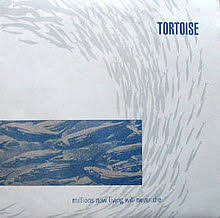
When we began to play together in 2013, our intention was to explore a mutual love for post-rock and other spacey sounds. However, from the start, we were insistent that we would avoid being a typical, by-the-numbers post-rock band. We do love those sounds and many bands in the genre, and you will even find the occasional crescendo in our music. But that facet of post-rock has always been a reference point for us, not an end goal.
Tortoise and Millions Now Living Will Never Die, in particular, was something of a revelation for us. No one will deny Tortoise’s place as post-rock pioneers, but their angle is so distinct and different, even today. The infectiously groovy rhythms, the quasi-jazzy and spaced-out guitar parts, the song structures that are somehow so simultaneously tight and loose – these were things that struck a chord with us. And though we don’t really sound much like Tortoise, quite a few people seem to have caught on that we are influenced by them.
Radiohead – In Rainbows

Radiohead is just one of those bands. We certainly have no interest in emulating Radiohead to any degree – you just can’t. You’d fail without question. But inevitably, there are things about them that have been a point of inspiration along the years, and In Rainbows is the Radiohead album that comes up in the songwriting room more often than not.
On the level of songwriting, In Rainbows is such an emotionally complete work. Radiohead have commented that the album is essentially about being human, over and above anything else. It cycles through so many states of feeling and being, and it inspires those states in you as well when you listen to it. That kind of emotional journey is so important to Eyes to Argus, and it’s something we strive to keep in mind when writing for albums.
As for more direct musical elements, there are probably two main things from In Rainbows that occasionally cross over into Eyes to Argus tracks. The first is the approach to drumming – the steady, focused beats that keep going and going while different sounds layer and build up together. The second is the way the vocals sit on top of such layered, textural music (rest assured – Thom Yorke impersonators, we are not).
Fishmans – 98.12.28 Otokotachi no Wakare
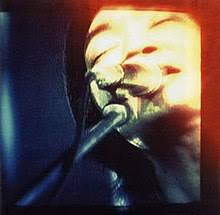
Fishmans hold a special place in our hearts, and their iconic final live album contains some of the most human, most endearing music we’ve ever heard, despite the fact that none of us can understand Japanese. We unanimously think that ‘Night Cruising’ is up there as one of the best songs ever written. Their music is dream-like, melancholic and euphoric, all at once. It has an upbeat, bouncy quality that you can’t help but sway to. The live versions in 98.12.28 Otokotachi no Wakare just amplify and elevate those qualities in the songs.
Again, this seamless fusion of emotion has impacted us in such a big way. Our songs aren’t exactly happy numbers, certainly not by theme – but we want them to come off as uplifting. We want to take you to a better place than you were in before listening to us.
The same is true for ‘Microcosm’, even though it’s a much more political, gritty song for us. When we wrote that song, we weren’t thinking bleak and angry. We were thinking charged and powerful.